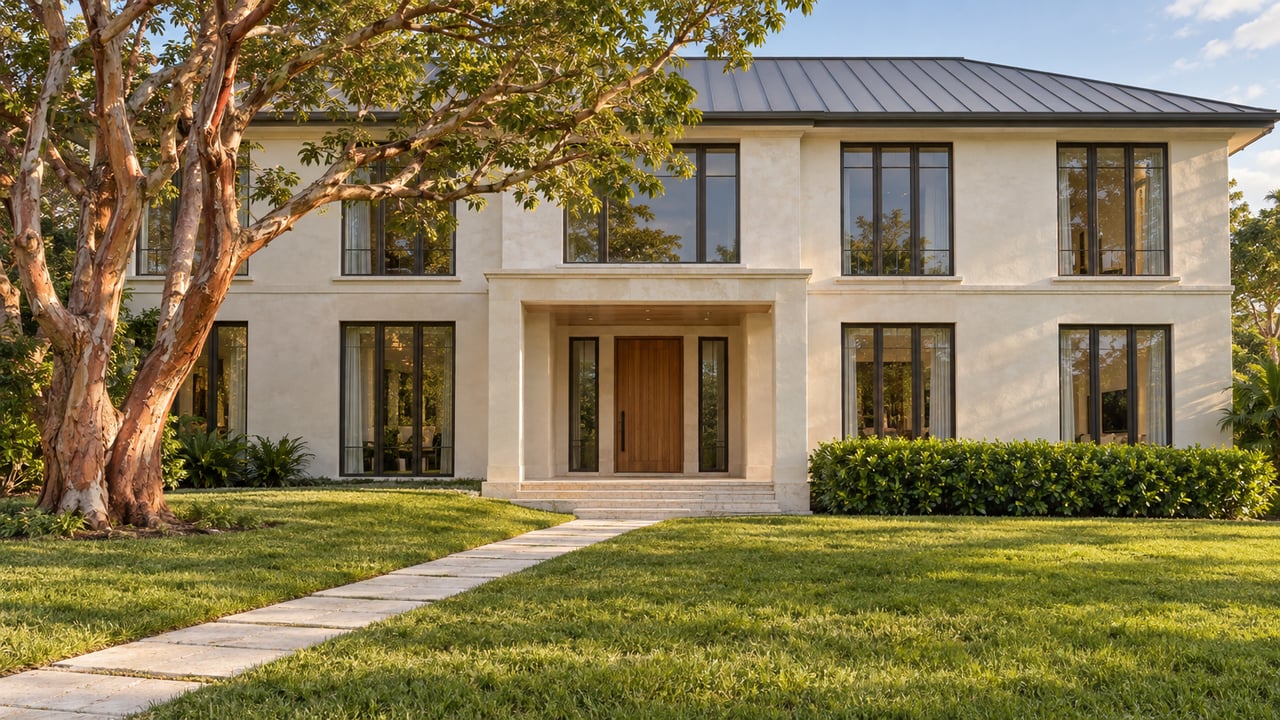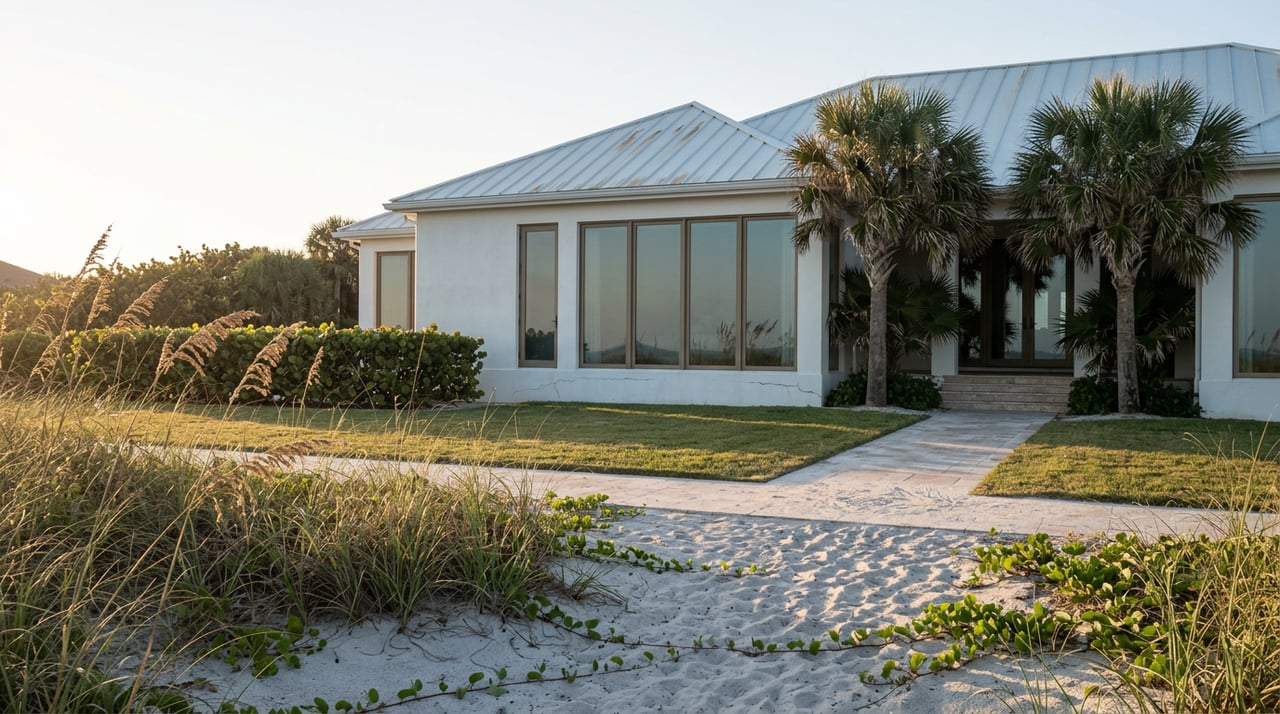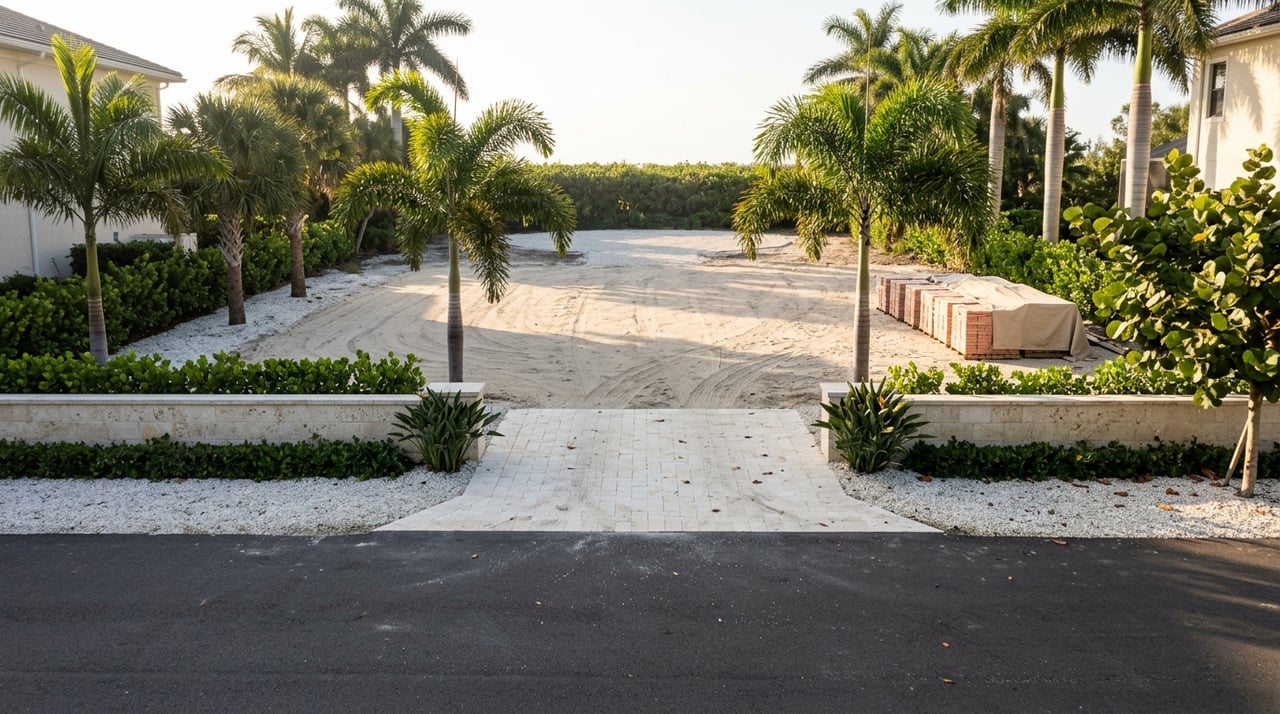
What makes a Port Royal property truly valuable: the house, the lot, or what the lot could become? In this part of Naples, that question matters more than almost anywhere else. If you are buying, selling, holding, or considering a rebuild, understanding how land value and redevelopment work can help you make a smarter decision. Let’s dive in.
Why land value matters in Port Royal
Port Royal is one of Naples’ most land-driven residential areas. In practical terms, that means the value of a property is often tied as much, or more, to the site itself than to the existing home.
The Collier County Property Appraiser values land and improvements separately. It also reappraises property each year as of January 1, and the split between land value and improvement value depends on location and competing sales. That matters in Port Royal because the lot can carry much of the pricing logic.
This is especially important in a market where vacant land sales are limited. According to the county, when direct land sales are rare, it may use land allocation or land extraction methods, with the land share varying by neighborhood. In Port Royal, that helps explain why even a well-kept home may be viewed primarily as a future building site.
How property value is separated
When you look at a Port Royal property, it helps to think of it in three parts:
- Land value
- Structure value
- Redevelopment potential
That framework is useful because these pieces do not always move together. A beautiful home on a less desirable lot may not command the same premium as a simpler home on an exceptional site.
The city adds another layer to this analysis when flood-related work is involved. For substantial damage or substantial improvement reviews, the City of Naples uses the structure’s assessed value from the Property Appraiser and excludes land, pools, and other non-structural items. So even if the land is worth far more than the house, the city is looking at the structure separately for compliance purposes.
Waterfront position shapes value
Not all Port Royal lots are the same. The neighborhood’s geography is one of the biggest reasons land values can vary so widely.
The City of Naples describes the Port Royal basin as bordered by the Gulf of Mexico on the west and Naples Bay on the east, with Naples Bay connecting to the Gulf through Gordon Pass. That creates a rare mix of beachfront, bayfront, and deepwater waterfront properties rather than one uniform setting.
For buyers and sellers, this means a Gulf-front parcel, a bayfront parcel, and a canal-front parcel are not interchangeable. Even if the homes have similar square footage or finishes, the water exposure, frontage type, and access can place them in very different value categories.
Street hierarchy also plays a role
Within Port Royal, some addresses carry more visibility and long-term significance than others. The city’s neighborhood priorities page specifically identifies Gordon Drive, Kings Town Drive, and Galleon Drive for traffic calming and resurfacing.
That does not set pricing by itself, but it does reinforce that Port Royal has a clear internal street hierarchy. Certain streets function as primary corridors, and buyers often weigh that context along with frontage, privacy, and water access.
Why boating access affects pricing
In Port Royal, boating is not just a lifestyle feature. It is part of the value equation.
The city has specific pier and dock rules for the area, and navigability can influence how useful a waterfront site really is. Dock geometry, water access, and frontage conditions can all affect how a property is used and how it is priced.
The Port Royal Area Dredging project is complete, and assessments are still being paid. In a neighborhood where deepwater usability matters, public improvements and ongoing obligations become part of the overall ownership picture.
Redevelopment often drives the story
At the top of the Port Royal market, some sales are less about the existing residence and more about the site itself. That dynamic has become especially clear in recent headline transactions.
Recent sales cited in the research include a $36.49 million Port Royal home sale in 2024, an $85 million Port Royal estate sale in 2025, and a $225 million three-parcel Gordon Drive assemblage in 2025. Reporting on the $225 million transaction said the buyer planned to tear down the property and build a new family legacy compound.
That is one of the clearest examples of land-first pricing. In other words, the buyer was not simply purchasing a home as it stood. The buyer was purchasing location, scale, assemblage potential, and future build opportunity.
Port Royal can move the wider market
Port Royal transactions can influence more than just neighborhood chatter. They can affect how people read the broader Naples market.
The Naples Area Board of REALTORS® reported that the average closed price in Naples rose 25.8% year over year in April 2025, even though the median closed price fell 10%. The report pointed to two record Port Royal deals, the $85 million sale and the $225 million three-parcel purchase, as the reason for that jump.
For you as a buyer or seller, this is a good reminder that headline market numbers do not always tell the full story. In an ultra-luxury area like Port Royal, a small number of land-driven trades can heavily influence averages.
Code matters in rebuild decisions
If you are deciding whether to renovate, elevate, or tear down, redevelopment rules are a major part of the analysis. In Port Royal, value is not just about what you want to build. It is also about what the site allows.
City code treats waterfront lots differently from inland lots. On waterfront parcels, the shoreline can define the property line, and Port Royal’s R1-15A rules include special dock and pier setbacks, including a 20-foot side yard setback and a 25-foot waterward extension limit from the toe of the revetment, with added rules for Naples Bay and Gordon Pass frontage.
Beachfront parcels may also face CCCL or CCSL permitting for construction seaward of the line. That means two lots with similar dimensions on paper may offer very different building and design flexibility in practice.
Floodplain review can change the math
Flood compliance is another major factor in redevelopment decisions. The City of Naples says substantial damage or substantial improvement is measured at a 50% threshold.
If a building is below the required flood elevation and that threshold is triggered, flood-compliance work may be required. Because the city uses the structure value from the Property Appraiser rather than the land value, owners often have to evaluate whether improving an older home still makes sense compared with starting over.
This is why Port Royal decisions are rarely only about aesthetics. Elevation, compliance, cost, and timing can all push a property toward renovation or redevelopment.
A simple framework for owners
If you own property in Port Royal, or are thinking about buying there, it helps to review each opportunity through a focused lens. A short due-diligence checklist can bring clarity quickly.
Key items to evaluate include:
- Frontage type
- Buildable envelope
- Dock and pier feasibility
- Flood elevation
- CCCL exposure
- Special assessments or infrastructure obligations
The city notes that special assessments may fund items like streetscape work, utility undergrounding, curb and guttering, sidewalks, and sewers. It also explains that assessments can be apportioned in several ways, including equal lot shares, square footage, road frontage, number of connections, or property value.
For Port Royal owners, that means the carrying cost of a property may involve more than taxes and maintenance alone. Infrastructure and neighborhood obligations can also affect the total ownership picture.
What buyers should watch for
If you are buying in Port Royal, looking beyond the home itself is essential. In many cases, the smartest question is not just, "Do I like this house?" but also, "How strong is this site over time?"
A few practical questions can help:
- Is the property being priced mainly for the house or mainly for the land?
- How does the frontage compare with other waterfront positions?
- What are the dock, setback, and build constraints?
- Is the existing structure likely to support a long-term hold, renovation, or rebuild?
- Are there assessments or flood-related factors that change future costs?
In a market this specific, small differences can have major pricing implications. That is why local context matters so much.
What sellers should understand
If you are selling in Port Royal, the biggest pricing mistake is treating every buyer as if they are buying the same thing. Some buyers want a finished residence they can enjoy now. Others are focused almost entirely on land position, frontage, and redevelopment potential.
That means presentation and pricing strategy should reflect the property’s real strongest attribute. If the lot is the story, your positioning should make that clear. If the existing home still offers real utility and value, that should be framed just as precisely.
In a neighborhood where a few exceptional sales can reshape market expectations, pricing requires careful judgment. Comparable sales matter, but so do lot characteristics, water orientation, code constraints, and what a future buyer is truly paying for.
The bottom line on Port Royal value
Port Royal behaves less like a conventional neighborhood and more like a collection of scarce waterfront land positions. In that kind of market, land value often comes first, improvements come second, and redevelopment feasibility becomes the tie-breaker.
If you understand those three layers, you can read the market more clearly. Whether you are buying a legacy property, evaluating a teardown, or preparing to sell a marquee site, that perspective can help you make better decisions with fewer surprises.
If you are weighing a Port Royal purchase, sale, or redevelopment decision, Andrew Christopher offers direct, hyperlocal guidance shaped by long experience in Naples waterfront real estate.
FAQs
How is land value different from home value in Port Royal?
- In Port Royal, the Collier County Property Appraiser separates land value from improvement value, and many properties are priced heavily based on the lot’s location, frontage, and future build potential rather than just the existing house.
Why do teardown sales happen in Port Royal?
- Teardown sales happen because some buyers are primarily seeking a rare waterfront site for a custom build, especially on high-demand streets or large assemblages where the land may be more valuable than the current residence.
How does flood review affect Port Royal redevelopment?
- The City of Naples measures substantial damage and substantial improvement using the structure’s assessed value, not the land value, and a 50% threshold can trigger flood-compliance requirements if the building is below required flood elevation.
Why are waterfront lots valued differently in Port Royal?
- Waterfront lots vary because Gulf-front, bayfront, and canal-front properties offer different frontage conditions, boating access, dock options, and code considerations, so they are not priced the same way.
What should buyers review before purchasing land in Port Royal?
- Buyers should review frontage type, buildable envelope, dock and pier feasibility, flood elevation, potential CCCL exposure, and any special assessments or infrastructure obligations tied to the property.